
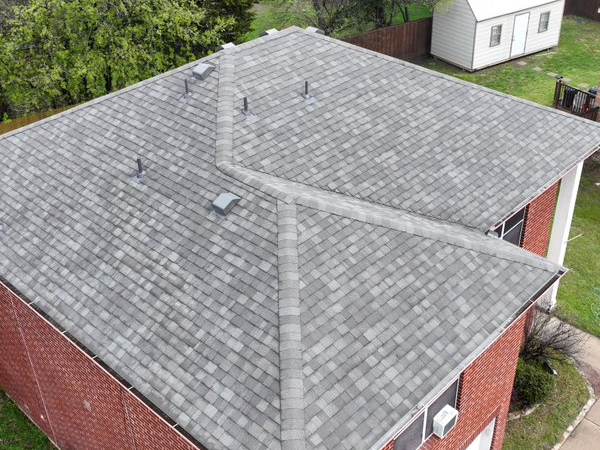
Signs Indicating Storm Damage- Get Professional Roof Repair
Regardless of the roofing materials you select, storms can cause havoc on your home’s roof. Since not all damage is obvious, be sure to examine it closely. For reliable, prompt Storm Damage Roof Repair Dallas you can rely on Great Roofs & Construction. We promptly strengthen your roof and protect your home from future problems.
Indications Your Roof Has Been Damaged by a Storm
Flat Roof Damage
- Blisters: When flat roofs are built incorrectly, blisters are a frequent problem. They develop when stored moisture or air expands in the heat, separating the roofing material layers with bubbles. Popped blisters expose your roof to degradation, water intrusion, and UV rays.
- Cracks: Aging, harsh temperatures, or shoddy installation can all lead to the development of flat roof cracks. Impacts from hail or other debris can also cause cracks. Water can flow in via these fractures, exposing the underlayment and perhaps resulting in leaks and structural damage.
- Leaks or water stains: A roof leak is usually indicated by water stains on your ceiling. Don’t disregard them since mold and structural problems can result from roof leaks. Large leaks may require expensive emergency roof leak repair.
- Materials that are missing or loose: Strong winds have the potential to remove or disrupt roofing elements, making your roof vulnerable.
- Standing water: After a storm, look for any water that builds up and doesn’t drain within 48 hours. Over time, ponding water can weaken the integrity of your roofing system. It frequently indicates a drainage problem or a sinking roof deck that has to be fixed by a specialist.
Sloped Roof
- Damage Blisters: Asphalt shingle roofs, particularly those with insufficient attic ventilation, are susceptible to blistering. More harm may result from the protecting granules on your shingles’ surface loosening and falling off as the blisters burst.
- Flashing damage: Metal flashing stops leaks around roof penetrations, such as vents and chimneys. Examine the flashing for any gaps, displacement, or dents.
- Dented shingles or panels: Although certain shingles are more impact-resistant than others, hailstorms can dent your shingles and reduce their water resistance. Although some metal roofs can be dented by hail or debris, they are often more durable.
- Granule loss: Granules shield asphalt shingles from UV rays. Excessive granule accumulation in gutters or around downspouts indicates that your shingles are getting close to the end of their life, even if some loss is expected with age. Shingles may also look bald.
- Interior water stains: Water stains on interior walls or ceilings could be a sign of a leak in your sloped roof, much like with flat roofs.
- Broken or missing shingles: After a storm, check for broken or missing shingles or tiles if you have a shingle or tile roof. They are your sloped roof’s first line of defense, and powerful winds have the potential to move them.
Conclusion
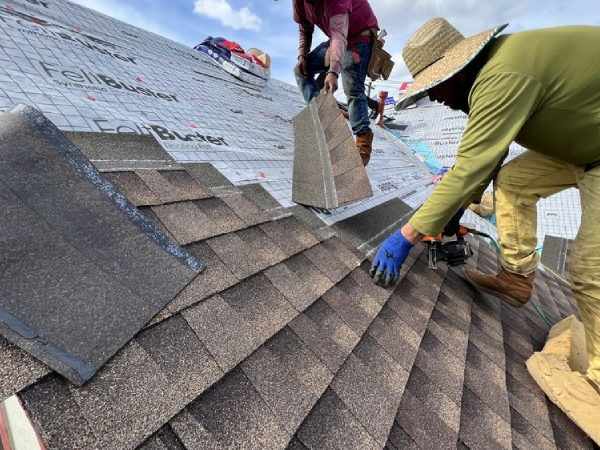
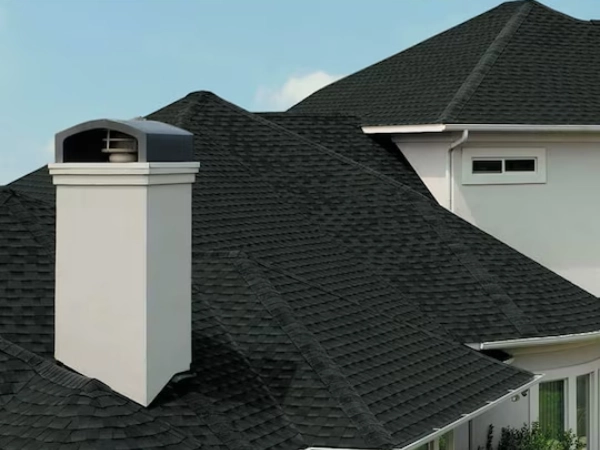
When a storm damages your roof, you have to take immediate action. The expense of fixing your roof may go up with every day you put it off. Great Roofs & Building can assist you at every stage of Storm Damage Roof Repair Dallas regardless of whether your roof is old, has been damaged by a storm, or you are organizing a new building project.