
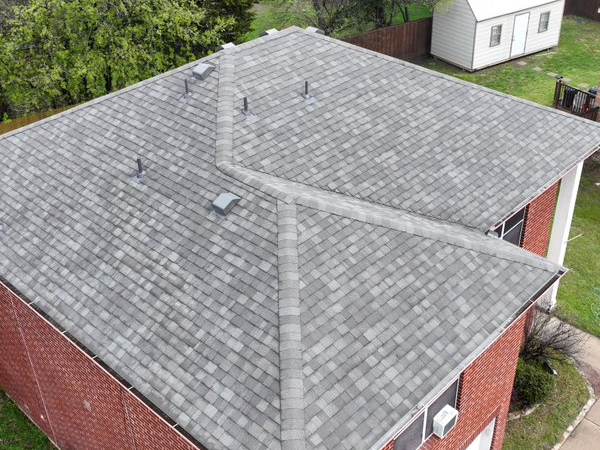
Importance of Roofing Underlayment in Roof Installation and Construction
Every homeowner understands how important a roof and the components that support it are to the overall structural soundness and visual appeal of their home. A roof shields your home from severe heat in the summer and cold in the winter while protecting the attic space, which allows for proper ventilation. Great Roof’s main objective is to provide Roofing Installation and Construction Dallas which stands out for its transparency, superior products, and unwavering commitment to customer satisfaction. We guarantee top-notch service.
What Is Roofing Underlayment?
Roof underlayment is a crucial component of any roofing system because it acts as a barrier between the exterior roofing material and the roof deck. It helps shield your home from environmental factors including water incursion and wind-driven rain. Without sufficient underlayment, moisture can seep into the roof structure, causing damage that might necessitate costly repairs.
Why Does Roofing Require Underlayment?
In the never-ending battle homeowners and contractors wage against the weather, your shingles are definitely your first line of defense. Shingles can reflect sunlight, withstand high winds, and block precipitation.
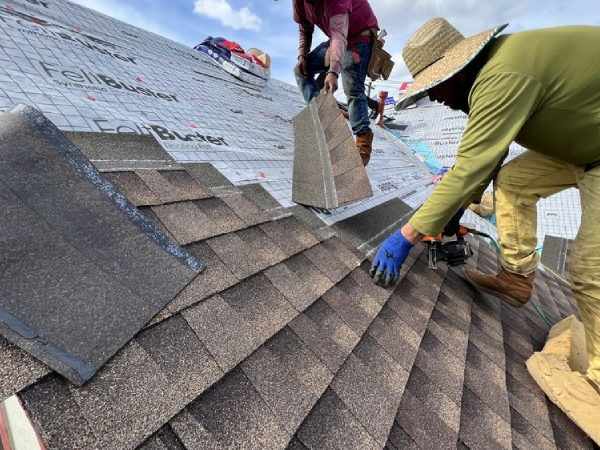
However, in the event that strong winds cause your shingles to tear off, roofing underlayment provides an additional layer of protection for your roof. During cold weather, it helps protect your roof deck from ice dam damage. Before the shingles are attached, it shields your roof from bad weather during installation.
To meet local building requirements, your home’s roofing system must have a roof covering and a roofing underlayment product. Shingle manufacturers also need an underlayment as part of their guarantee.
Types of Roofing Underlayment
In general, there are three types of roofing underlayment: self-adhered, felt, and synthetic.
Sense Underlayment
This type of roofing underlayment is one of the oldest. It is commonly referred to as tar paper or felt paper. It is made of an organic mat or paper that has been moistened with asphalt to aid in water resistance.
Self-Adhered Underlayment
The sticky back of self-adhered underlayments allows them to attach to the roof deck. This sticky backing protects the roof deck and the underlayment from the weather. In places where water tends to collect or where there is roof deck penetration, this type of underlayment is meant to protect the roof from damage. Self-adhered underlayments are very useful in regions with severe winter weather.
Artificial Underlayment
Over the past ten or so years, synthetic underlayment has become more and more popular among homeowners. Although the precise materials used may vary depending on the manufacturer, most synthetic roofing underlayment is composed of multiple layers of various polymers that are woven together.
Conclusion
The underlayment of an asphalt shingle roof is crucial. Therefore, it makes sense to look for the best type of underlayment when it’s time to replace your roof. At Great Roofs, Roofing Installation and Construction Dallas our team of highly skilled professionals delivers unparalleled experience to every project, ensuring that your roof is both a sturdy, long-lasting asset and a hiding place.